You need a script? Got it! How about some social copy? I’ve got that, too. Websites, emails, environmental? You’ve landed on your one-stop-shop for your creative writing & content needs.
Additional work available upon request
Industry Experience:
Finance
Tech
Fashion
Pharma
Entertainment
…and more!
Not only do I know how to write great copy, but I know how to teach it! I created this lesson for part of Accenture’s Storytelling Studio.
As the copywriter, I worked closely with the animators and video teams to create these videos for CitiBank in partnership with Magnet Media
Working closely with the video team at Magnet Media, I wrote the script for this US Bank video.
When Accenture combined it’s two internal creative agencies to establish one, best-in-class agency, an equally awesome website was needed to match. As the Senior Copywriter, I created the content for the new agency’s website and worked closely with agency leadership to help determine what additional content would live on the site.

And every website needs templates for when new information gets added - in this instance, a template for adding case studies.
In collaboration with the web designer and the Executive Creative Director of Design, I built out the wireframe as a template.
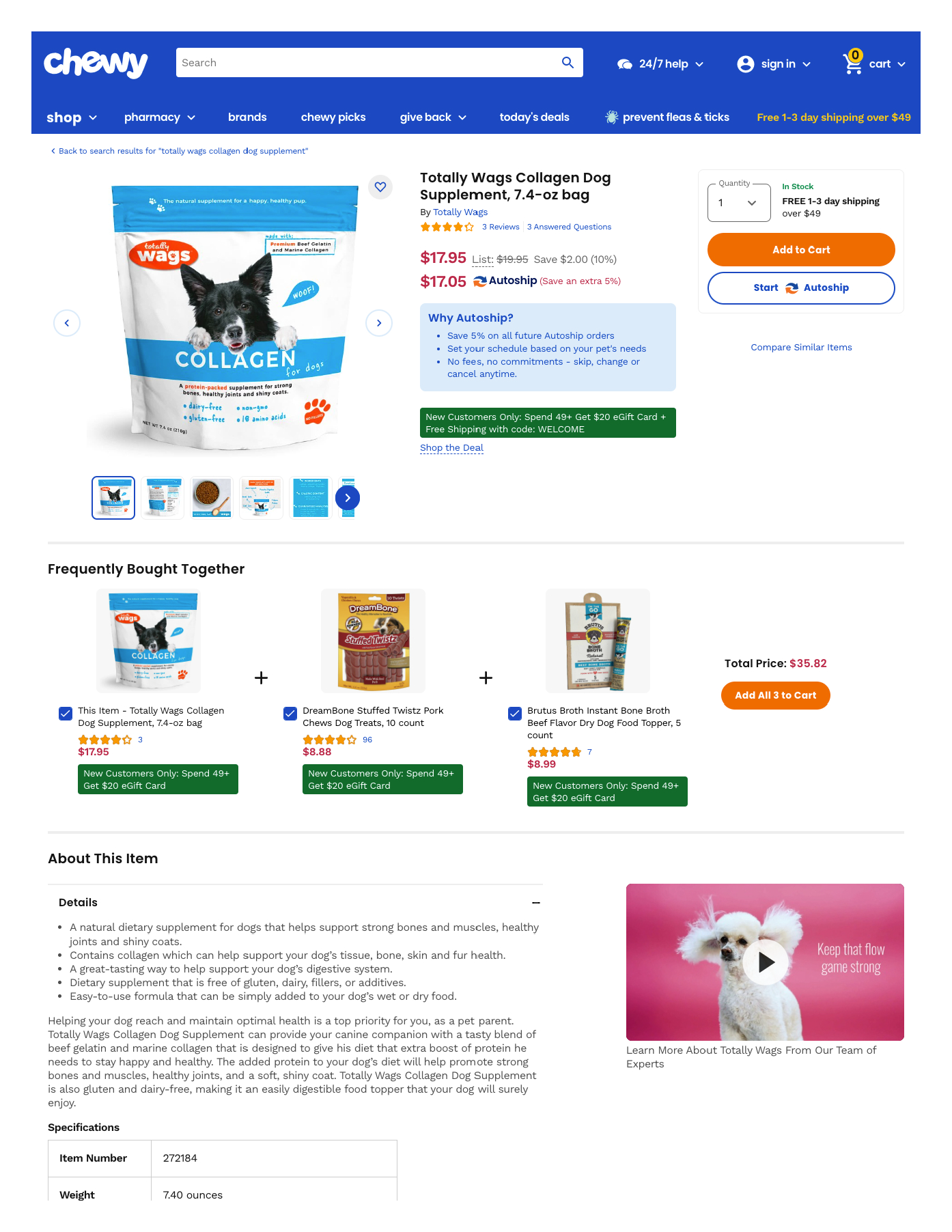
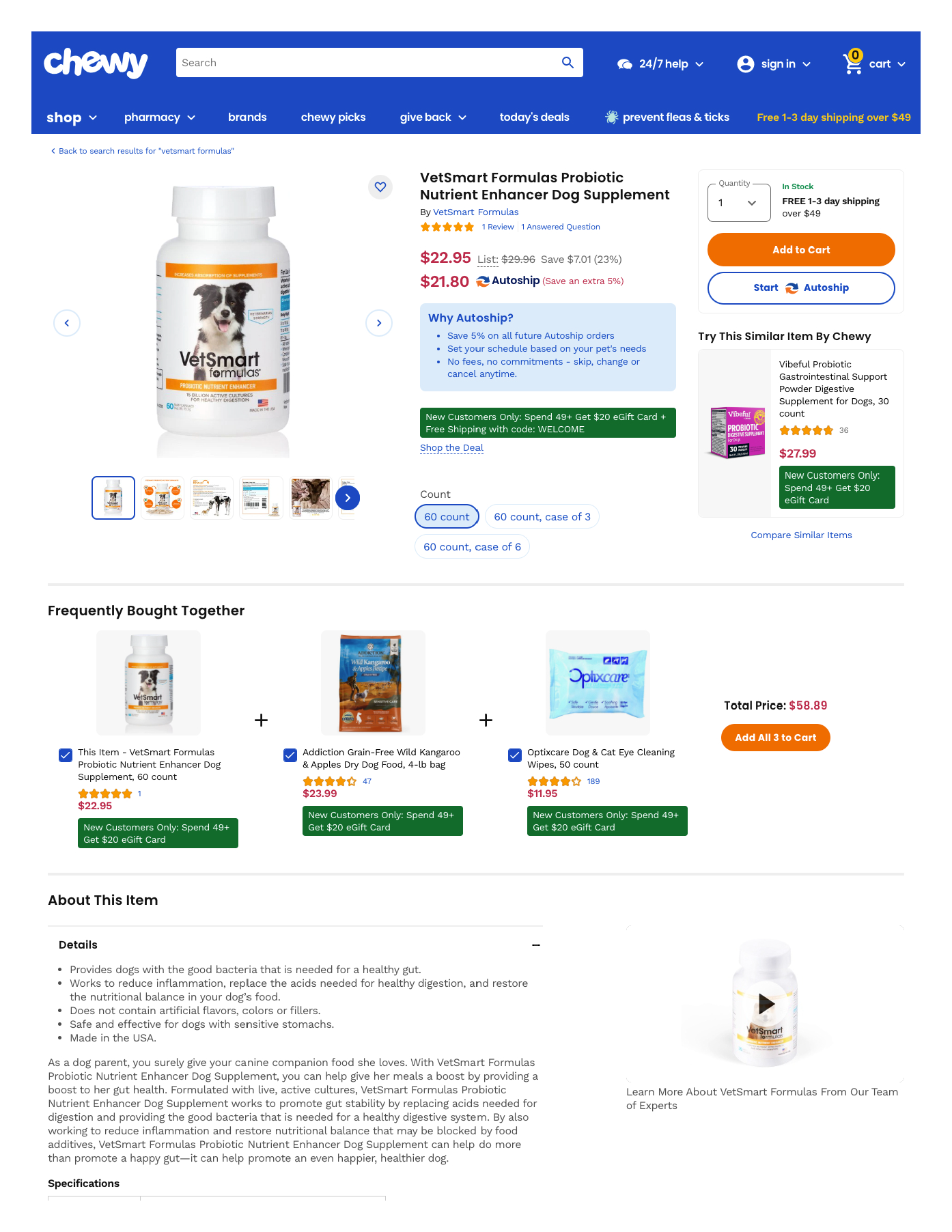
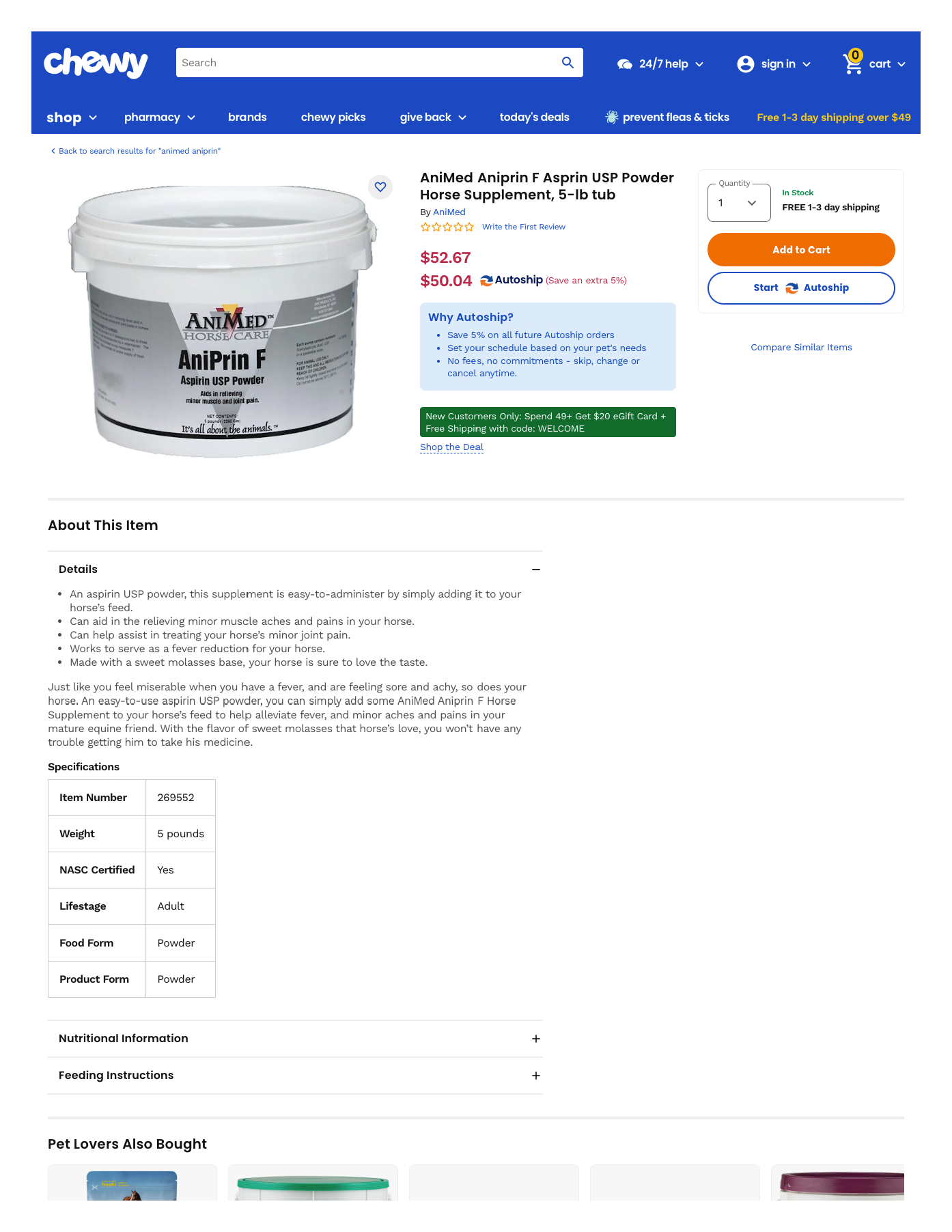
What better way to combine my pharma experience with my love of animals than writing web content for Chewy.com
As the Creative Lead and Senior Copywriter, I collaborated closely with animators, editors, visual designers and the Global Creative Director of Copy to create social media templates for the various Awards & Rankings that Accenture receives.
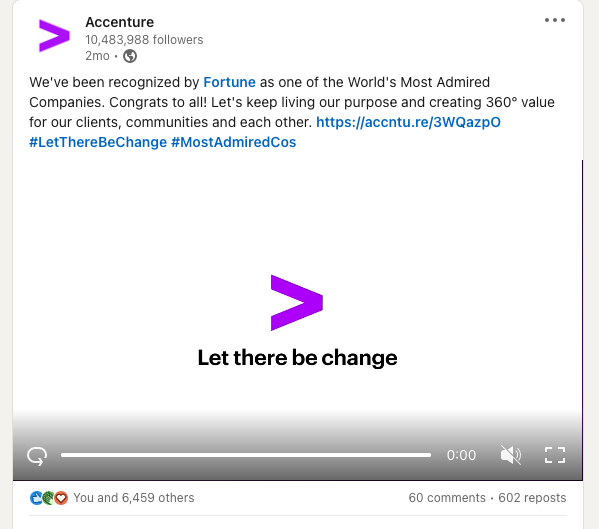
As the Creative Lead for overseeing various submissions to the Drum Awards for Marketing, I wrote the script for this submission video and worked closely with the video team to create this film.
LinkedIn, AdWeek 2019
While a freelancer with Agent3, I collaborated with strategists, account leads and designers to create this deck for LinkedIn’s activation at AdWeek 2019.
And there is book design! When several of Accenture’s Managing Directors were retiring, I worked closely with visual designers to determine the layout of the honoree’s retirement books, while also creating customized, curated content for each one. This is an example of the book for the North American CEO.
FinDigits Articles
Enjoy a few articles I wrote and had published on FinDigits
-
Food is About More than Just Nutrition: It’s About Social Justice
The recent announcement that Amazon is acquiring the popular (and, often considered overpriced) organic grocery Whole Foods has raised a lot of questions around the issues of affordable, high-quality food and social justice.
Not All People Have All the Options
Many Americans cannot afford to shop at a place like, “Whole Paycheck” (the average cost is 10-20% more than other grocery stores), or even Trader Joe’s, which is far more affordable by comparison. In return, they shop at more standard grocery stores. That’s not a bad thing, as they also sell fresh produce, fish, meat, poultry and the like; many of them also have selections of organic or whole foods. However, those foods, regardless of the store at which they are being purchased are going to cost more. So, people who cannot afford to buy the organic stuff end up buying the foods that have been treated with chemicals and growth hormones, being grown on farms that are growing genetically modified foods so that they may grow in climates to which they are not otherwise indigenous. Again, that may not always be a bad thing, if it’s allowing people to buy fresh produce of all kinds (organic or not), any time of the year. After all, sometimes you just have to have a pumpkin something in the middle of spring. So, what’s the problem? Well, fresh produce, meats, fish, poultry, etc., are always more expensive than pre-packaged goods such as canned vegetables and tuna, or frozen strawberries, the nutritional value of such never being as good as when you buy fresh. Packaged goods that are high in fat, sugar and carbohydrates are inexpensive. Fresh food, organic food, is not.
Additionally, people who live in underserved communities (think the South Bronx, South Central Los Angeles) are often provided with very limited options regarding fresh foods at a local grocery store. Some communities do not even have what many people would consider a traditional grocery store, being left to do their shopping at delis and bodegas, places which, (again) do not provide much in the way of healthy choices. In fact, nearly 48 million Americans live with some with some sort of inequality around food, meaning that they do not have access to foods high in nutritional value, foods that help sustain a healthy lifestyle. Of those, about half live in food deserts, which are generally urban areas or small, rural towns, with limited access to grocery stores, famers markets or quality restaurants, making fast food places and the aforementioned delis the only consistent options for food. Even at the fast food chains that serve healthier options such as salads and fruit, it is still far less expensive to buy a cheeseburger with a side order of French fries and a Diet Coke.
Healthy Food = Healthy People
By now, we all know that a healthy diet equates to a healthier life, in general. The long-term effects of poor nutrition include obesity, which can lead to a myriad of health problems, such as diabetes, cardiovascular problems, and joint problems, decreased energy, which can lead to performance problems at both school and work, and general feelings of malaise. Just as people who live in underserved communities, or who simply cannot afford to be purchasing fresh produce or organic foods, they are often uninsured or underinsured, making it less likely that they will receive adequate healthcare to properly treat any ongoing health problems. When do they seek medical care, due to lack of insurance, it is generally limited to emergency rooms, where they are not provided with ongoing, follow-up care. Performance problems at work, due to poor nutrition, can lead to issues with overall production which can negatively impact the company or lead to individuals losing their jobs. Lacking insurance and being from a lower income community may lead to hospital bills going unpaid, creating an uptick in insurance or medical costs for everyone.
Food, Glorious Food
With the acquisition of Whole Foods by Amazon, the hope is that the retail giant will be able to lower the costs of the high quality, organic goods, making them more accessible to the masses. While that would be wonderful, Amazon will also need to be prepared to build new Whole Foods stores in the food deserts, the underserved communities. In doing so, Amazon may have work to do rebranding the once, “Whole Paycheck” as an affordable, healthy alternative to fast food chains or bodegas.
If Amazon handles this acquisition with the understanding of the social justice issues surrounding food, it could prove to introduce entirely new populations to the vast benefits of healthy nutrition, and the far-reaching benefits thereof. If not, it will only prove to create a greater divide regarding food justice in America.
-
Is Amazon Actually Killing the Economy?
You probably see it all over the place: the empty store fronts, the local shops closing. It’s largely considered the, “Amazon Effect”. What started out as an online book distributer out of Jeff Bezos’s garage is now a retail giant from which you can have your groceries delivered and watch original film and television programming. There is perhaps nothing that cannot be found online at Amazon, delivered to your door (sometimes, even the same day). You don’t even have to leave the comforts of home!
The Amazon Effect
As the convenience of online shopping is taking over (and, it’s not hard to see why…no long lines at stores, not being able to find what you need, just the overall annoyance of having to deal with people), there is no doubt that its hurting brick and mortar businesses. And, it’s not just your locally-owned mom-and-pop stores that are feeling the weight of Amazon; such major retailers as Macy’s, J.Crew, Michael Kors, True Religion, and Staples, among others, have closed over 5,000 of their brick and mortar locations. Meanwhile, Amazon ended 2017 having done $178 billion in net sales.
This certainly isn’t a recent phenomenon. As Amazon began as an online book retailer, it was the Barnes & Noble’s and Borders’ (who closed their doors, entirely in 2011) of the world that first felt the crushing blow delivered by Amazon’s business model of shipping books directly to your home, often for cheaper than you could buy them in a bookstore. Amazon also turned out to be a lifesaver for financially strapped college students, who could purchase their books online for far less than what it would cost at the student bookstore. While Barnes & Noble still exists, both online and as brick and mortar store, it is projected that by 2022, they will have closed 197 stores.
Who Lives, Who Dies
Borders closed, altogether and PayLess and RadioShack have filed bankruptcy. Meanwhile, even though other retailers like Barnes & Noble and Macy’s have been closing some of their brick and mortar locations, they are not gone for good. So, why are some retailers managing to survive and others are not? Basically, it comes down agility. Borders was too late to the dance regarding e-commerce and they were too heavily invested in selling CD’s, which went the way of the Dodo after Apple brought us iTunes. Barnes & Noble, on the other hand saw the writing on the all regarding the power of Amazon and the popularity of online shopping, earlier enough to change some of their strategy, keeping them afloat. Macy’s was able to make that same adjustment, completely overhauling their website and mobile shopping experience.
But, what does this mean for the smaller, locally-owned independent retailers? Retail giants like Macy’s have the means to purchase warehouse spaces online order fulfillment. They have the funds to weather a couple of bad quarters. What about your local mom-and-pop bookshop or boutique?
Again, it comes down to agility. While perhaps not in a position to purchase warehouse space and begin taking online orders, they can offer something that online stores, or even your large box stores cannot. And, that is a more personalized experience. New York City has a famed bookstore, The Strand. With the rise of Amazon and the closing of many brick and mortar stores, many a New Yorker has feared that some day the New York City icon may close their doors. However, this is likely to not happen because going to the The Strand is an experience is on of itself. Yes, it’s a piece of history that has been around forever, but they also offer staff that is knowledgeable and helpful. Unlike some other bookstores, you can walk into The Strand not knowing exactly what you are looking for, and one of the employees will know what it is without even having to look it up. They can make recommendations for you, based on what you have read and like. Other than a library, how often do you find that? Creating an experience that goes beyond simply being a place in which to walk in and buy something, a place where you can have your questions answered and feel welcome can be a key into helping smaller retailers survive.
Is Amazon Entirely to Blame?
It’s easy to blame Amazon for the downturn in brick and mortar shopping and the empty storefronts. And, while there is truth to that, they aren’t entirely to blame.
Since the economy recovered from the 2008 recession, rent prices skyrocketed, up 60% in many areas. Whether you are feeling the Amazon Effect or not, that is a significant increase in expenses in only 10 years.
Could There Be A Renaissance?
Not all may be lost for the smaller retailer. While the ease of online shopping is clearly here to stay, the younger generations are far more concerned with issues of corporate social responsibility, products that are locally-made and/or ethically-sourced, and items that are unique. This is yet another way in which the smaller retailers can step up and fill that need. While a large retailer like Macy’s may have had an easier time adjusting to online shopping, they may have a much harder time meeting the needs and wants of younger shoppers who want items that are not mass-produced in sweat shops.
None of us are ever going to stop shopping online, entirely. But, we can help right the ship by being conscious of supporting our local shops. Yes, the Amazon’s of the world are job creators, but they are creating jobs for the people who live in the areas where their offices and warehouses are…the local shops are creating jobs for the people who live there in your town or city. And, those local shops are exactly the kinds of places that give your city the special flavor that makes it different from the city a few hours away.
-
Amazon Buying Whole Foods: The Real Cost of Healthy Eating
“Whole Paycheck”. We have all heard the trendy, organic grocery store chain referred to that way; perhaps we have even been the ones uttering that phrase as we exit the store with our ethically sourced coffee, organic eggs, gluten free pasta, and of course, avocados. So, it’s understandable that a great many people rejoiced upon learning that online retail giant Amazon was going to be acquiring the seemingly over-priced supermarket. But, what does it the acquisition really mean? Not for other grocery stores or being able to have Whole Foods delivered to your home, (which you could already do, if you live in an area in which Instacart exists) what does this mean for the small farmers and migrant farm workers. The very people who are often providing the produce that is being sold at places like Whole Foods.
Orange…Jumpsuits, Not Fruit
Last year, Amazon was listed upon the Top 10 Corporate Criminals by Global Exchange. Among the reasons: poor labor conditions and unjust treatment of workers. At a time in which small farmers are already suffering, being bought out by big corporations, while it’s never been a big secret that migrant farm workers aren’t exactly treated like kings, do we really want a company that is considered a corporate criminal now having such a large piece of the pie in terms of the food that ends up on our dinner tables?
The High Cost of Inexpensive Food
While the acquisition of Whole Foods may cause the supermarket to lower prices, at what cost? Certainly, there are any number of reasons as to why Whole Foods is seemingly more expensive that other grocery stores, like Trader Joe’s or Fairway. (Although, if you happen to live in New York City, Whole Foods may still seem like a bargain after years of the only true grocery stores being places like Dean & DeLuca and Gristedes where you may find yourself paying $8.00 for a cantaloupe.) One of those reasons is that the eating organic and “whole” foods is very much the trend these days, as we become a society increasingly aware of how the food we eat impacts our overall health. As such, we don’t want to be ingesting foods that are full of preservatives, or animal products that come from livestock that have been pumped full of chemicals or somehow mistreated. And, for good reason…none of the arguments to be had around eating healthy foods are bad. Studies have shown that sugar and cheese have the same effect on our brains as heroin. We should be eating well, we should care about how various produce is sourced, ensuring that it’s not disruptive to the environment while caring about the working conditions of the people sourcing it. Generally speaking, the cheap produce, the inexpensive eggs, the giant chicken breasts, are not being sourced by an entity that cares too much about your health or corporate social responsibility.
These days, everyone is dairy-free, sugar-free, gluten-free, vegan, vegetarian or pescetarian. Everyone is doing Whole 30 or the 21 Day Fix. So, any grocer that sells organic produce, farm-raised eggs, and sugar-free everything, is going to be the go-to place for anyone jumping on the various nutrition trends. Basic supply and demand: the greater the demand, the more companies can charge for their supply. So, sure…Whole Foods can get away with charging a bit more than some of their competitors, because there is a high demand for what they are selling. But, is that the only reason for their prices?
The simple answer is no. Consumers who want ethically sourced coffee and produce, or all-natural chicken or beef that hasn’t come from mistreated animals, are going to have to be prepared to a bit more for reasons beyond basic business strategy. Organic and whole foods take longer to grow and produce, because they aren’t being sprayed with various chemicals or having hybrids created. A chicken that isn’t being pumped with growth hormones is going to take longer to grow and mature to the point of being ready to be slaughtered for consumption. As such, farmers who are committed to ethical treatment of their livestock or growing organic foods end up producing less, meaning that they have to charge more for their goods. Again, pretty basic economics. It’s this basic business model that is also the reason as to why it’s largely small and mid-sized farmers who are even responsible for the organic foods we find at supermarkets…the large corporate farms don’t want to commit to creating less food and not turning as large of a profit. As we begin to see the prices at Whole Foods lowering, how is this impacting the small and mid-sized farmers from whom they were committed to supporting? (As of last year, Whole Foods bought from 1,400 small to mid-sized farmers in the country.) In addition to their commitment to buy from smaller farmers, Whole Foods, over 10 years, has provided over $21 million in low-interest loans to small farmers to assist them with growing their operations. Given the reputation of being a corporate criminal that has been bestowed upon Amazon, it is understandable that many suppliers of Whole Foods are concerned about the long-term affects of this acquisition.
The Checkout Lane
We can’t yet be certain what this Amazon acquisition of Whole Foods is going to mean for smaller farmers. Making high-quality, organic, whole foods more accessible is absolutely a good thing, given the issues of social justice that surround food and the various health problems that stem from a poor diet. However, only time will tell if that is Amazon’s end-game, or if the end result is Whole Foods becoming cheaper at the cost of both the quality of their goods and the welfare of those farmers providing that food.
-
The FaceBook Effect
“That doesn’t affect me”, is a statement that we hear a lot; perhaps you have even said it, yourself. In some instances, it may very well be true. If you don’t have student loans or children who are preparing to go to college, the student loan crisis may not be something that is on your radar. If you are not one of the 1% (and, let’s face it, not very many people are), the tax breaks that are provided to that demographic may bother you, but after complaining on social media for a couple of days, you may stop paying attention. Social media. Chances are, you do have a social media presence, unless you are one of the few people left that doesn’t have a digital footprint. So, while you may only think about FaceBook as a place to keep up with old friends and family, look at cat videos and engage in political arguments, the current state of things in Silicon Valley does have an impact on you beyond getting upset with your college roommate for his position on gun reform, and not just because of what it means for your photos. As people are losing trust in Mark Zuckerburg’s brain child, they are losing faith in the entire tech industry, for both reasons of privacy and economics. After all, FaceBook isn’t the only data hoarding out there. (We’re looking at you Google and Amazon.) If we can’t trust FaceBook, the once wholesome platform that was designed as a communication tool for college students, how can we trust any of them?
Show Me the Money
Do you have a retirement account or mutual funds? Any type of investment? Hopefully, yes. Do you pay super close attention to what stocks in which you are actually invested, or do you just glance at the quarterly statement, to ensure that you nest egg is growing? Unless you are a finance junkie or perhaps close to retirement age, it’s probably the latter. As such, you may not have known that 24% of retirement accounts hold tech stocks, compared to less than 11% only ten years ago. Which means that the $60 billion hit that FaceBook took recently is definitely going to have an impact on your retirement account. Protecting ones data goes beyond protecting against hacking of credit card information, which hopefully you would notice fairly quickly; the current lack of regulation around social media privacy can have a long-term impact that you may not pay attention to until it’s too late. After all, when it comes to investing, we are supposed to buy low and sell high. Selling your FaceBook stock after it’s taken a tumble, isn’t going to do you any good.
Rock the Vote
Okay, so maybe, for whatever reason, you don’t need to worry about your investments. Perhaps you are one of the 1%. Are you a registered voter, who takes pride in donning the, “I Voted” sticker in November? As we turn, more and more, to social media as a tool for gathering news, we allow that information to effect our views. It’s worth noting that FaceBook has no obligation like The New York Times or The Washington Post to journalistic integrity. People and click-bait outlets can post whatever they want to without any kind of vetting process, confirmation of sources or commitment to the truth. Don’t we, as voters, owe it to ourselves, our children, the country and even the world, to be informed voters, voters who gather their information and form subsequent opinions based on actual facts, not some “citizen journalist” in another country, whose sole journalistic obligation is to create incendiary stories that never make it out of the realm of social media?
Perhaps you are someone who doesn’t fall for the click-bait news on FaceBook, and you take the time to curate your news from reputable sources. (Keep doing what you’re doing!) However, no matter how judicious you may be about what kinds of news you allow into your atmosphere, social media is still influencing elections, both in the United States and abroad. Cambridge Analytica, the company currently under fire for harvesting FaceBook data, exploited the data of over 50 million users, and this breach was potentially used by the 2016 Trump campaign to impact the recent Presidential election. This same company is now under investigation for impacting two elections in Kenya, while using bribes and sexual favors to engage politicians. Not only is the lack of regulation surrounding social media affecting your pocketbook, the quality of the news, voter turnout and election results, the behind-the-scenes activities of the ones orchestrating the data breaches are affecting the very people who write the laws regarding business regulations.
Do you still think this doesn’t have an impact on you?